
Tour de France 2026 Stage 2: Complete Route, Climbs, and Tactical Preview
The **second stage of the 2026 Tour de France will take place on Sunday, July 5, 2026, covering a modified 168.4-kilometer (104.6 miles) route from Tarragona to Barcelona**. Striking a beautiful balance between high-speed Mediterranean coastal racing and punishing urban climbs, Stage 2 introduces the first mass-start drama of the 113th edition.
Following an official pre-race route amendment to bypass the Parc Natural de Collserola due to regional environmental safety restrictions, the course distance was shaved down from its original 182.4 km. However, the core identity of the stage remains completely intact: a flat, coastal opening half followed by a technical, punchy circuit layout around Barcelona’s famous Montjuïc hill.
Official Stage 2 Quick Facts & Metrics
For cycling analysts, fans planning their spectating itinerary, and fantasy sports managers, tracking the precise layout of the parcours is essential. Below is the verified structural overview of the second day of racing in Catalonia:
| Race Attribute | Stage 2 Details |
|---|---|
| Date | Sunday, July 5, 2026 |
| Start Location | Rambla Nova, Tarragona |
| Finish Location | Montjuïc Hill, Barcelona |
| Total Distance | 168.4 Kilometers (104.6 miles) |
| Stage Type | Hilly / Puncheur Finish |
| Key Mountain Passes | Côte de Begues, Côte du Château de Montjuïc |
| Total Elevation Gain | 2,391 Vertical Meters |
Parcours Breakdown: From the Costa Daurada to Barcelona
Stage 2 splits cleanly into two distinct tactical phases: an early speed parade along the Spanish riviera and a final, brutal urban circuit that will dismantle the pure sprinters.
The Flat Coastal Opening (Kilometers 0–85)
The race departs from the ancient Roman city of **Tarragona**, launching down the expansive Rambla Nova. The peloton will race parallel to the Mediterranean Sea along the **Costa Daurada**, passing through golden sand beach resorts and the scenic coastal enclave of **Sitges**. This opening 85 kilometers is pancake-flat, allowing a breakaway to form while keeping the pace exceptionally high.
The Inland Ascent: Côte de Begues
The tranquility of the coast shatters as the road bends inland. The riders immediately face the **Côte de Begues**, a **6.1-kilometer climb averaging a 6.5% gradient**. This climb serves as a launchpad for king of the mountains points and forces the first selections, stretching out the peloton and dropping heavy sprinters early on.
The 2026 Route Amendment
Originally, the route was slated to cut through the hills of Collserola. To avoid biological risk zones due to a local outbreak of African Swine Fever, race organizer ASO modified the route from kilometer 123 onward. The peloton will now bypass the nature park by traveling via **Molins de Rei** along the wide N-340 highway, entering Barcelona through Plaça d'Espanya. This modification provides wide, safe roads for chasing teams before they squeeze into the city circuit.
The Montjuïc Circuit: A Brutal Leg-Breaker Finale
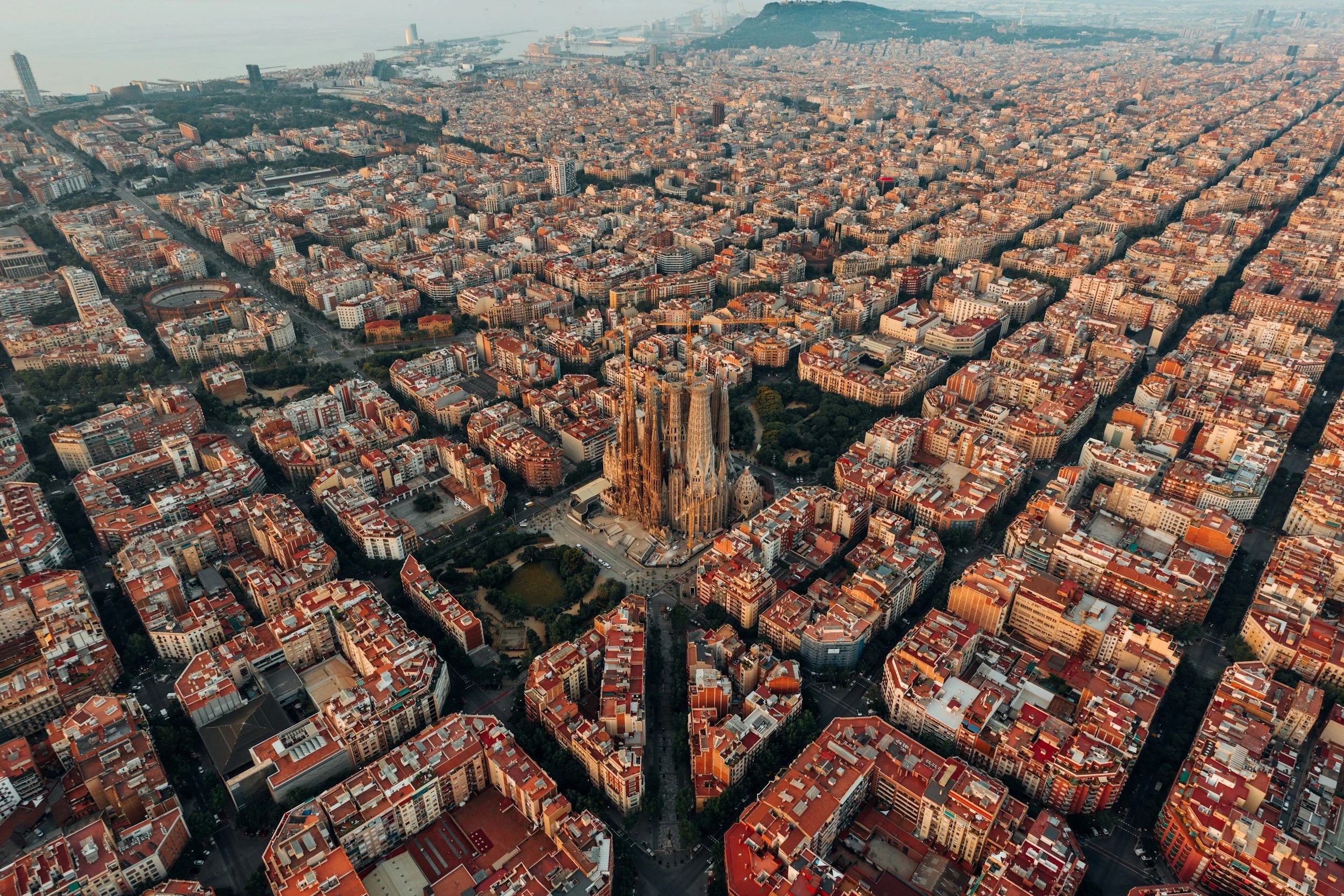
The ultimate climax of Stage 2 takes place on a spectacular finishing circuit in the heart of Barcelona. The riders must complete **three total laps of a grueling local loop** dominated by the parkland slopes of Montjuïc. This is the exact terrain where historic Grand Tour contenders lay their cards on the table.
Each lap forces the riders over two brutal, successive ramps:
- Côte du Château de Montjuïc: A savage **1.6-kilometer climb averaging 9.3%**. Crucially, the middle section features a devastating **600-meter wall hitting a maximum gradient of 13%**. This is where explosive attacks will detonate the general classification group.
- Côte du Stade Olimpique: Following a rapid, technical descent from the castle, the road kicks up once more for **600 meters at a 7% gradient**. The final crossing of this ramp serves as the official finish line outside the iconic 1992 Olympic Stadium.
Tactical Outlook and Stage Favorites
Stage 2 completely rules out a traditional bunch sprint. The triple ascent over the 13% slopes of Montjuïc means the day belongs exclusively to elite **puncheurs** and aggressive **General Classification (GC) contenders** who want to collect early bonus seconds.
Historical results on this exact terrain via the Volta a Catalunya show that versatile superstars excel here. Expect riders like **Tadej Pogačar**, **Remco Evenepoel**, and explosive dynamic racers to try and split the field on the final lap, contesting a reduced-group uphill sprint to capture the prestigious stage win and potentially the Yellow Jersey.