
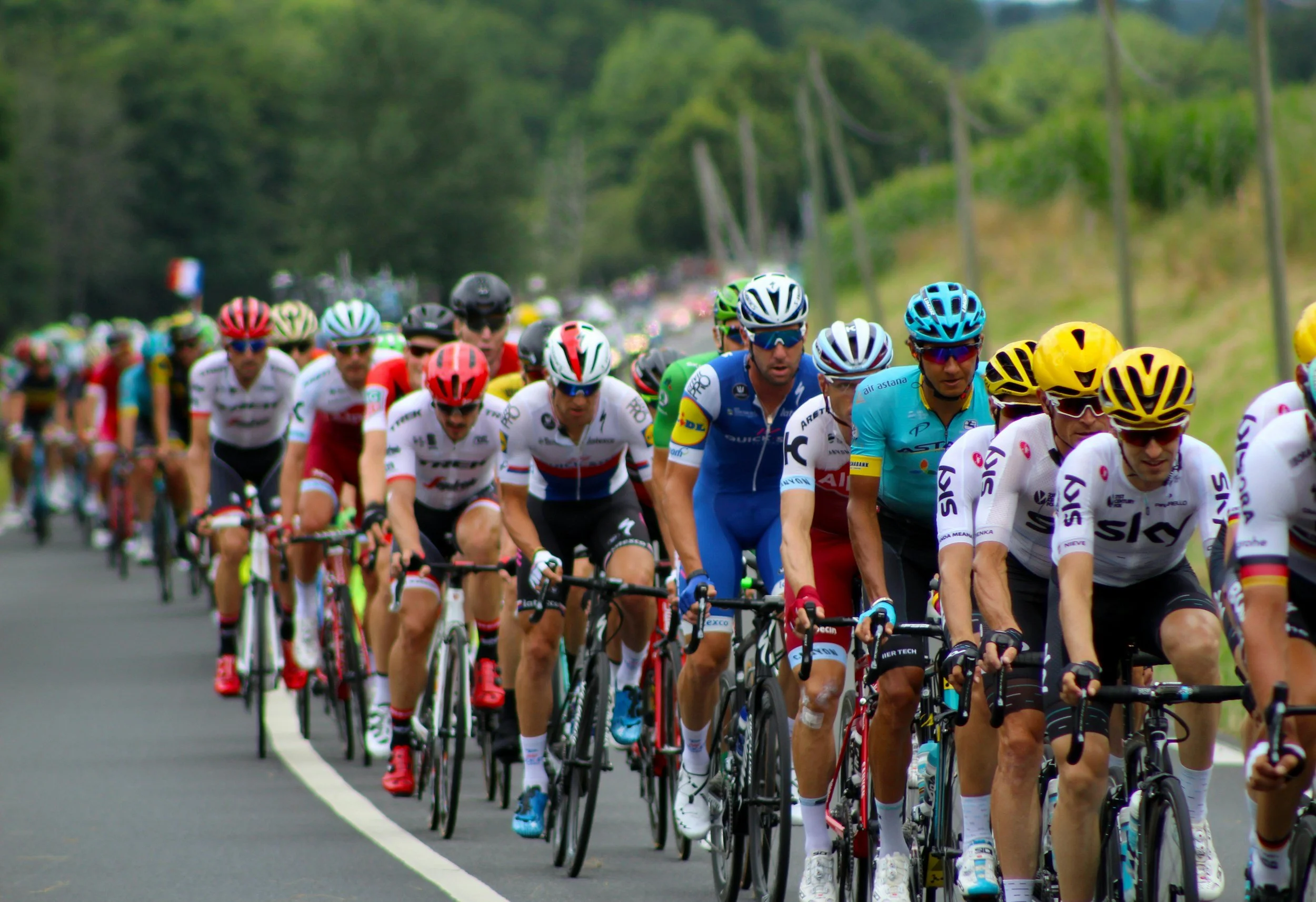
Tour de France 2026 Stage 4: Route, Climbs, and Tactical Preview
Stage 4 of the 2026 Tour de France will treat cycling fans to a breathtaking, undulating 182-kilometer journey from the historic citadel of Carcassonne to Foix on Tuesday, July 7, 2026. Marking the first stage of the 113th edition to take place completely within French borders, this grueling day through the foothills of the Pyrenees packs roughly 2,800 to 3,300 meters of total vertical elevation gain. Rather than facing massive, high-altitude alpine peaks, the peloton will instead navigate a jagged, relentless series of categorised and uncategorised ascents designed to isolate domestiques, favor aggressive breakaway specialists, and subtly test the positioning of the yellow jersey contenders.
Stage 4 Overview and Key Figures
The Route Profile: A Relentless Foothill Test
The profile of Stage 4 offers an unpredictable layout that builds in difficulty as the kilometers click away. It gives power riders a chance early on before transitioning to steep, narrow mountain gradients later in the afternoon.
1. The Lumpy Opening Phase
Leaving the fortified walls of Carcassonne, the riders head directly south toward Cathar country. The first 40 kilometers feature two testing but uncategorised ramps in rapid succession: the Col de Villerouge, spanning 8.6 kilometers at a steady 3% gradient, and the Col de Bedos, which sits at 3.4 kilometers long with a 4.3% average slope. Soon after, the road officially begins to tilt for the King of the Mountains (KOM) competition with the Col du Paradis, throwing a steady 6.4-kilometer test at a 4.1% average gradient into the riders' legs.
2. The Mid-Stage Launchpads
The real climbing hostilities trigger once the peloton crosses the 100-kilometer milestone. Here, the riders confront the demanding slopes of the Col de Coudins. Stretching across 10.5 kilometers at an average gradient of 5.5%, this long, dragging climb is the perfect setting for teams to set a blistering tempo to drop pure sprinters. Following the summit, the route settles onto an exposed, undulating plateau for nearly 20 kilometers before plunging along a technical descent into Bélesta.
3. The Crucial Ramp of Montségur
The absolute centerpiece of Stage 4 is the iconic Col de Montségur. Registering at 6.9 kilometers in length with a punishing 6.6% average gradient, this is where explosive puncheurs and general classification squads will force selection. Cresting the summit with only 35.5 kilometers remaining, the race shifts into a high-speed chase. The final section runs primarily downhill, twisting through rolling terrain that slightly steps upward at points before settling on a fast flat run into Foix, featuring a mild 1.4% final kilometer gradient.
| Key Climb / Passage Info | Distance (km) | Average Gradient (%) | Tactical Significance |
|---|---|---|---|
| Col de Villerouge | 8.6 km | 3.0% | Breakaway formation zone |
| Col de Bedos | 3.4 km | 4.3% | Early pressure building |
| Col du Paradis | 6.4 km | 4.1% | First official KOM points |
| Col de Coudins | 10.5 km | 5.5% | Peloton thinning & fatigue |
| Col de Montségur | 6.9 km | 6.6% | Decisive attack launchpad |
| Foix (Final Kilometer) | 1.0 km | 1.4% | Reduced bunch or solo sprint |
Tactical Preview: Breakaway Masters vs. GC Caution
With a tricky mountain finish behind them and another grueling mountain day looming in the Pyrenees later in the week, team directors must play a high-stakes chess match during Stage 4.
The Breakaway's Playground
Historically, Foix welcomes winners who escape the main peloton early in the day. The sheer volume of intermediate rollers makes controlling the front of the race incredibly difficult for a single team. Strong, versatile all-rounders who can handle medium mountain passes will view the Col de Montségur as the ultimate launchpad to break clear and hold off a chasing pack on the 35-kilometer downhill charge into town.
GC Shadow Boxing & Safety First
For the primary yellow jersey contenders, Stage 4 is all about survival and conserving energy. While the gradients on Montségur are steep enough to introduce gaps if a leader suffers a mechanical failure or a sudden configuration crisis, the long descent means any small elite splits could easily merge back together before Foix. Expect the main favorites to lean heavily on defensive strategies, letting their support riders keep the pace steady while monitoring key rivals.